Key Takeaways
-
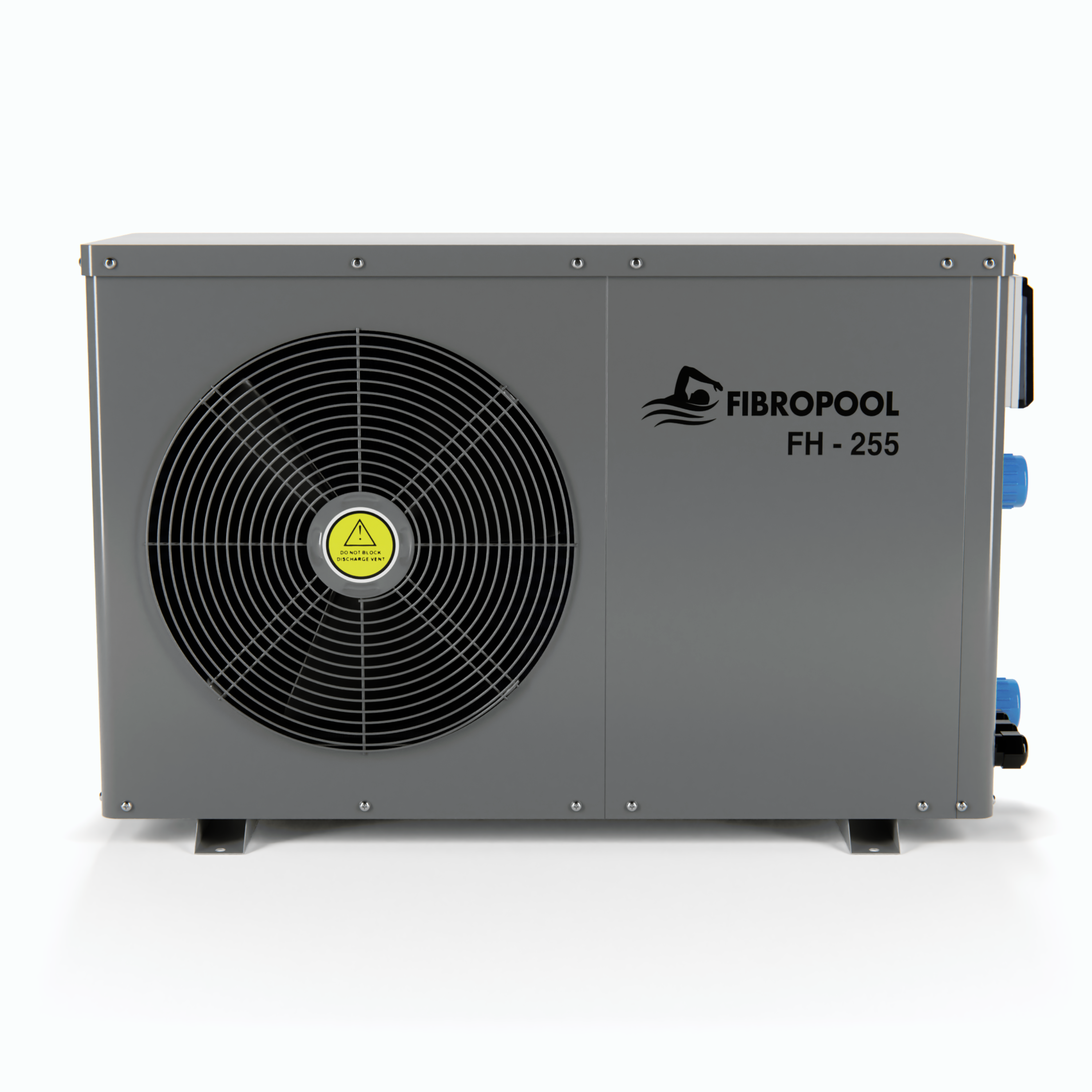
FibroPool heat pumps typically cost 70 to 85% less to run than Jandy gas heaters, because they move heat from the air rather than burning fuel to create it.
-
Operating costs can be reduced by 70-85% annually compared to Jandy gas heaters through elimination of fuel expenses.
-
Environmental impact is dramatically lower with zero-emission heat pumps versus gas-burning Jandy models.
-
Smart technology in heat pump alternatives offers direct app control of the heater itself, where Jandy routes heater control through its AquaLink platform.
-
Installation flexibility includes both DIY-friendly 120V and professional 240V options versus mandatory gas line installations.
Pool owners looking for alternatives to Jandy heaters are usually comparing upfront cost, heating speed, long-term efficiency, and installation requirements. While Jandy gas heaters remain popular for quick heating, modern electric heat pumps can offer significantly lower operating costs and quieter, cleaner performance for seasonal heating.
Let’s look at the top Jandy pool heater alternatives on the market today.
*Specifications, efficiency figures and operating cost estimates for all brands reviewed as of November 2026.
Jandy vs. Alternative Heater Comparison Table
|
Brand |
Heater Type |
BTU Range |
Efficiency |
Heat Exchanger |
Smart Features |
Annual Operating Cost* |
|---|---|---|---|---|---|---|
|
FibroPool |
Heat Pump |
20K-70K + 62K inverter |
COP 4.81-5.92 |
Titanium |
Wi-Fi, Bluetooth App |
$300-600 |
|
Jandy |
Gas and heat pump |
200K-399K (gas) |
84% Thermal (gas) |
Copper/Bronze |
AquaLink Compatible |
$1,800-3,500 |
|
Hayward |
Gas |
150K-400K |
Up to 84% |
Cupro-Nickel |
LED Digital |
$1,700-3,400 |
|
Pentair |
Gas |
125K-400K |
Up to 82% |
Cupro-Nickel |
Digital Control |
$1,900-3,600 |
|
Raypak |
Gas |
105K-399K |
Up to 84% |
Copper Fin Tube |
Digital Display |
$1,800-3,500 |
|
AquaCal |
Heat Pump |
Various |
COP per AHRI listing |
Standard |
Basic Digital |
$400-700 |
About Jandy Pool Heaters
Jandy, part of the Fluidra group, is best known for the JXi series of gas heaters, available in natural gas and propane and ranging from roughly 200,000 to 400,000 BTU. The JXi line is widely specified for its fast heat-up, compact footprint and integration with Jandy’s AquaLink automation system.
Jandy also makes pool heat pumps, which is worth knowing if you are comparing options within the brand rather than leaving it.
Where owners look elsewhere: running costs on gas, particularly on propane; the complexity and expense of gas line installation, venting and permits; and the emissions that come with burning fuel. Those are the three reasons most of the alternatives below exist.
1. FibroPool Heat Pumps: The Best Jandy Alternative
-
FibroPool leads alternatives with energy efficiency up to 592% (5.92 COP) versus Jandy’s 84% maximum thermal efficiency.heat pumps typically cost 70 to 85% less to run than Jandy gas heaters, because they move heat from the air rather than burning fuel to create it.
-
Operating costs can be reduced by 70-85% annually compared to Jandy gas heaters through elimination of fuel expenses.
-
Environmental impact is dramatically lower with zero-emission heat pumps versus gas-burning Jandy models.
-
Smart technology in heat pump alternatives exceeds Jandy’s AquaLink automation capabilities.offers direct app control of the heater itself, where Jandy routes heater control through its AquaLink platform.
-
Installation flexibility includes both DIY-friendly 120V and professional 240V options versus mandatory gas line installations.
Pool owners looking for alternatives to Jandy heaters are usually comparing upfront cost, heating speed, long-term efficiency, and installation requirements. While Jandy gas heaters remain popular for quick heating, modern electric heat pumps can offer significantly lower operating costs and quieter, cleaner performance for seasonal heating.
Let’s look at the top Jandy pool heater alternatives on the market today.
*Specifications, efficiency figures and operating cost estimates for all brands reviewed as of November 2026.
Jandy vs. Alternative Heater Comparison Table
|
Brand |
Heater Type |
BTU Range |
Efficiency |
Heat Exchanger |
Smart Features |
Annual Operating Cost* |
|---|---|---|---|---|---|---|
|
FibroPool |
Heat Pump |
20K-70K + 62K inverter |
COP 4.81-5.92 |
Titanium |
Wi-Fi, Bluetooth App |
$300-600 |
|
Jandy |
Gas and heat pump |
200K-399K (gas) |
84% Thermal (gas) |
Copper/Bronze |
AquaLink Compatible |
$1,800-3,500 |
|
Hayward |
Gas |
150K-400K |
Up to 84% |
Cupro-Nickel |
LED Digital |
$1,700-3,400 |
|
Pentair |
Gas |
125K-400K |
Up to 82% |
Cupro-Nickel |
Digital Control |
$1,900-3,600 |
|
Raypak |
Gas |
105K-399K |
Up to 84% |
Copper Fin Tube |
Digital Display |
$1,800-3,500 |
|
AquaCal |
Heat Pump |
Various |
COP per AHRI listing |
Standard |
Basic Digital |
$400-700 |
About Jandy Pool Heaters
Jandy, part of the Fluidra group, is best known for the JXi series of gas heaters, available in natural gas and propane and ranging from roughly 200,000 to 400,000 BTU. The JXi line is widely specified for its fast heat-up, compact footprint and integration with Jandy’s AquaLink automation system.
Jandy also makes pool heat pumps, which is worth knowing if you are comparing options within the brand rather than leaving it.
Where owners look elsewhere: running costs on gas, particularly on propane; the complexity and expense of gas line installation, venting and permits; and the emissions that come with burning fuel. Those are the three reasons most of the alternatives below exist.
1. FibroPool Heat Pumps: The Best Jandy Alternative
FibroPool heat pumps deliver between 4.81 and 5.92 units of heat for every unit of electricity they draw, because they move heat that is already in the outside air rather than generating it. Jandy’s JXi series works the other way, converting about 84% of the fuel it burns into heat in your water with the rest lost through the flue. Those two figures measure different things, so the comparison that matters is what it costs to put a given amount of heat into your pool, which the table below sets out. Our guide to what COP means and how to read it explains the measure in full.
The FibroPool advantage becomes immediately apparent in operating costs. Jandy gas heaters require continuous fuel purchases for propane or natural gas, while FibroPool units use only electricity to move heat from air to water. The FH285-i model features cutting-edge full DC inverter technology with Wi-Fi and Bluetooth connectivity, providing smartphone control capabilities that give you direct control of the heater from your phone.
Installation advantages are substantial with FibroPool alternatives. While Jandy JXi heaters require professional gas line connections, proper venting, and compliance with local gas codes, FibroPool offers both plug-and-play 120V models and 240V units with comprehensive installation hardware. The weatherproof enamel-coated steel construction ensures years of reliable operation without the corrosion risks associated with gas heater exhaust and combustion byproducts.
Compare FibroPool directly with Jandy in our comprehensive Jandy vs FibroPool analysis.
2. Hayward Universal H-Series Gas Heaters
Hayward offers gas heater alternatives through their Universal H-Series line, providing reliable performance with both natural gas and propane fuel options. These units feature cupro-nickel heat exchangers that offer enhanced corrosion resistance compared to standard copper, particularly important for saltwater applications.
Key H-Series specifications include:
-
Efficiency: Up to 84% thermal efficiency ratings
-
Heat exchanger: Cupro-nickel construction for enhanced durability
-
BTU range: Available from 150K to 400K BTU configurations
-
Controls: LED digital display with precise temperature control
-
Ignition: Electronic ignition system for reliable startup
The H-Series models incorporate advanced combustion technology with reliable operation, though they share the same fundamental limitations as all gas heaters including ongoing fuel costs and direct emissions production.
Why FibroPool Outperforms Hayward H-Series Gas Heaters
FibroPool heat pumps eliminate fuel costs entirely while
typically reducing annual operating spend by 70 to 85%. FibroPool’s smartphone app integration provides remote monitoring and control capabilities not available in traditional gas heaters. The FibroPool inverter technology automatically optimizes performance based on conditions, while gas heaters operate at fixed efficiency regardless of ambient temperature.
3. Pentair MasterTemp Gas Heaters
Pentair’s MasterTemp series provides gas heater alternatives featuring advanced design and durable construction. These units offer reliable heating performance with both fuel options, incorporating features designed to maximize efficiency within gas-burning technology constraints.
MasterTemp features include:
-
Construction: Cupro-nickel heat exchanger tubes for longevity
-
Efficiency: Up to 82% thermal efficiency on select models
-
Controls: Digital temperature control and diagnostic display
-
Ignition: Electronic ignition with reliable flame supervision
-
Warranty: Enhanced coverage on heat exchanger components
The MasterTemp line includes built-in diagnostics and user-friendly operation, though professional installation remains mandatory due to gas connection complexity and safety requirements.
Why FibroPool Surpasses Pentair MasterTemp Models: FibroPool heat pumps provide over 600% higher efficiency than MasterTemp’s maximum 82% thermal efficiency, eliminatingsubstantially lower running costs, eliminating ongoing propane or natural gas expenses entirely. FibroPool’s full inverter technology adapts output to heating demands automatically, while gas heaters operate at fixed efficiency. The FibroPool smartphone connectivity enables advanced monitoring and control features unavailable in basic gas heater displays.
Discover our complete selection of electric pool heaters for all pool sizes and applications, including above ground pool heaters and in ground pool heaters.
4. Raypak Gas Heaters
Raypak offers gas heater alternatives through their digital series, featuring reliable performance with advanced ignition systems and digital controls. These units provide steady heating capabilities with both natural gas and propane options for various pool sizes.
Raypak gas heater characteristics include:
-
Design: Low-profile compact design with galvanized metal cabinet
-
Heat exchanger: Copper fin tube construction for heat transfer efficiency
-
Controls: Digital display with temperature monitoring
-
BTU options: Multiple capacity options for different pool sizes
-
Warranty: Up to 3-year coverage on select models
Raypak units feature proven combustion technology with reliable operation, though they maintain the inherent limitations of gas-fired heating systems including fuel dependency and emission production.
Why FibroPool Exceeds Raypak Gas Heater Performance
FibroPool heat pumps deliver
heat at a far lower running cost than any gas heater technology, because they move heat rather than burning fuel. FibroPool eliminates all fuel costs while providing Wi-Fi connectivity and smartphone app control that surpasses Raypak’s basic digital displays. The FibroPool titanium heat exchangers offer superior corrosion resistance compared to Raypak’s copper fin tube construction.
5. AquaCal Heat Pumps
AquaCal provides heat pump alternatives that compete more directly with FibroPool technology, using ambient air to heat pool water efficiently. These units offer environmental advantages over gas heaters, though they typically lag behind FibroPool in efficiency ratings and technology integration.
AquaCal heat pump specifications include:
-
Operation: Standard heat pump technology with refrigerant cycles
-
Efficiency: COP ratings typically ranging from 4.5-5.5
-
Installation: 240V electrical requirements for most models
-
Controls: Digital thermostat with basic temperature displays
-
Construction: Weather-resistant cabinet designs
AquaCal units provide reliable heat pump operation with reasonable efficiency, though they lack the advanced inverter technology and smart connectivity available in premium alternatives.
Why FibroPool Outclasses AquaCal Heat Pumps
FibroPool’s full inverter technology provides variable-speed operation that automatically adapts to conditions, while AquaCal units typically operate at fixed speeds. The FibroPool FH285-i offers comprehensive Wi-Fi and Bluetooth connectivity with smartphone app control, features not available in standard AquaCal models.
Browse our 5000 gallon pool heaters, 7500 gallon pool heaters, 10000 gallon pool heaters, and 15000 gallon pool heaters.\
Heat Pumps vs Gas Heaters
Gas heaters such as Jandy, Pentair, and Raypak remain a strong choice for pool owners who need rapid heating, occasional spa use, or reliable output in very cold weather. Meanwhile, heat pumps are typically better suited for steady seasonal heating and long-term cost savings.
Energy Efficiency and Cost Savings
The fundamental advantage of heat pump alternatives lies in their dramatically superior energy efficiency:
-
Heat pump efficiency: COP ratings above 5.0 deliver exceptional performance
-
Gas heater limitations: Maximum 84% thermal efficiency with ongoing fuel costs
-
Operating cost comparison: Heat pumps reduce costs by 70-85% annually
-
Fuel independence: Electric operation eliminates propane/natural gas dependencies
FibroPool heat pumps with 5.92 COP ratings produce nearly 6 units of heat for every unit of electricity consumed. Gas heaters lose about 16% of their fuel energy through combustion and exhaust. Those are different measures, so the meaningful comparison is the operating cost line above rather than the two percentages.
Environmental Impact and Sustainability
Environmental considerations strongly favor heat pump alternatives:
-
Zero direct emissions: Heat pumps produce no combustion byproducts
-
Carbon footprint reduction: Significantly lower environmental impact than fossil fuel burning
-
Local air quality: No contribution to residential air pollution
Jandy gas heaters, despite their efficiency improvements, still burn fossil fuels and produce direct emissions including carbon dioxide, nitrogen oxides, and other combustion byproducts that contribute to air pollution and climate change.
Upgrade your system with pool heater replacement parts for the best performance.
Installation Requirements and Complexity
Installation complexity varies dramatically between heating technologies:
Gas Heater Installation Challenges
-
Gas line connections: Professional plumbing for fuel supply systems
-
Venting requirements: Proper exhaust ventilation and clearances
-
Code compliance: Adherence to local gas appliance regulations and permits
-
Professional mandate: Licensed installation typically required by law
Heat Pump Installation Advantages
-
Electrical simplicity: Standard electrical connections (120V or 240V)
-
No venting needed: Outdoor placement without exhaust concerns
-
DIY options: Many models suitable for homeowner installation
-
Flexible positioning: Fewer restrictions on equipment placement, though heat pumps do need clear airflow on all sides, since they work by pulling heat from the air passing through them
FibroPool heat pumps offer maximum installation flexibility, with 120V models that connect to standard household outlets and 240V units that include comprehensive hardware and detailed instructions for straightforward installation.
Heating Speed Comparison
Jandy gas heaters excel in rapid heating scenarios:
-
Quick heat-up: High BTU output provides fast temperature increases
-
Weather independence: Performance unaffected by ambient temperature
-
Immediate response: Instant heat production upon activation
-
Peak demand capability: Ideal for occasional heating or emergency situations
Efficiency and Long-Term Performance
FibroPool heat pumps offer overall efficiency and cost-effectiveness:
-
Consistent heating: Steady temperature maintenance with minimal energy consumption
-
Climate adaptability: Inverter technology maintains performance across varying conditions
-
Extended operation: Designed for continuous heating throughout swimming seasons
-
Automatic optimization: Smart adjustment for maximum efficiency in all conditions
The choice between rapid heating and energy efficiency typically favors heat pumps for most pool owners who heat regularly throughout swimming seasons.
Complete your installation with quality valves and fittings for professional results and browse our parts and accessories for all pool heating system needs.
Best Jandy Pool Heater Alternatives by Situation
-
Best for lowest operating cost: FibroPool Heat Pumps
-
Best for fastest heating: Jandy JXi or Hayward Gas
-
Best for cold-weather performance: Gas heaters (Pentair/Raypak)
-
Best eco-friendly option: Heat pumps (FibroPool/AquaCal)
-
Best budget-friendly heat pump: AquaCal entry models
Frequently Asked Questions
What makes FibroPool the best alternative to Jandy pool heaters?
FibroPool heat pumps typically cost 70 to 85% less to run than a Jandy gas heater, eliminating all fuel costs while providing advanced Wi-Fi connectivity and smartphone app control of the heater itself.
How much can I save annually switching from Jandy gas to FibroPool heat pumps?
Annual savings typically range from $1,200-$3,000 depending on pool size and usage patterns, as FibroPool heat pumps eliminate propane or natural gas fuel costs.
Do FibroPool heat pumps work as well as Jandy gas heaters in cold weather?
FibroPool heat pumps operate effectively down to 40°F with inverter models maintaining performance better than standard units, though Jandy gas heaters have advantages in extreme cold conditions below 40°F.
What installation advantages do heat pump alternatives offer over Jandy gas heaters?
Heat pump alternatives eliminate gas line connections, venting requirements, and complex safety compliance, with FibroPool offering both 120V plug-and-play and 240V professional installation options versus mandatory professional installation for Jandy gas heaters.
Are utility rebates available for switching from Jandy gas to heat pump alternatives?
Many utilities offer substantial rebates for high-efficiency heat pumps, potentially reducing purchase costs by $500-1,500, while providing long-term savings through elimination of gas fuel expenses that can exceed $2,000 annually.Rebates for pool heat pumps are less common than for home heating and cooling equipment, and availability varies by utility and state. Check your own utility’s programme list before budgeting for one, and check the eligibility requirements, which often specify particular certifications or efficiency thresholds. The larger and more reliable saving is the operating cost difference rather than any upfront rebate.
What is the best pool heater replacement for a Jandy gas heater?
The best replacement for a Jandy gas heater depends on your priorities. High-efficiency heat pumps like FibroPool are a popular alternative for pool owners who want lower operating costs and electric, fuel-free heating. Gas heaters may still be preferred for rapid heating or very cold-weather use.
Are heat pumps worth it over gas pool heaters?
Yes, heat pumps are often worth it for regular seasonal heating because they can deliver COP ratings above 5.0 and reduce operating costs significantly compared to gas. They work best in moderate or warm climates, while gas heaters remain useful for fast heating and colder conditions.
What size heat pump do I need for a 15,000-gallon pool?
For a 15,000-gallon pool, a common guideline is about 4 BTU per gallon for summer heating and 5 for extending the season, which gives roughly 60,000 to 75,000 BTU. Warmer climates and consistent cover use pull that figure down; cooler climates and no cover push it up. Our guide to sizing a heat pump covers the calculation in full.