Key Takeaways
-
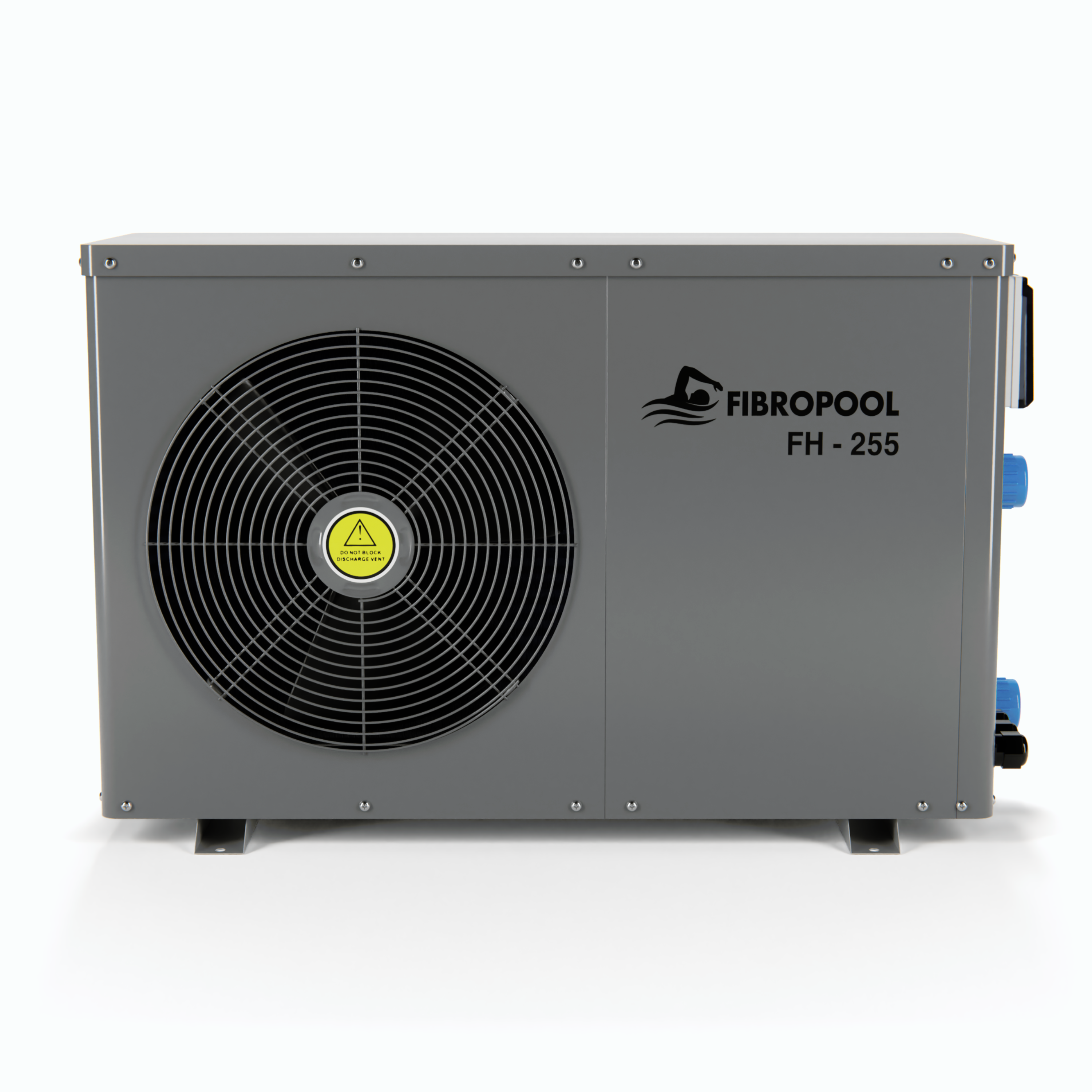
Pool heat pumps transfer heat from the air into your pool water, making them one of the most efficient pool heating options.
-
Heat pumps typically deliver about 3–6x more heat energy than the electricity they use, depending on outdoor conditions.
-
They heat slower than gas heaters, but they’re excellent at maintaining temperature efficiently over time.
-
Performance is best in warm, humid weather and naturally slows down when the air is cooler or drier.
-
If you’re between sizes, sizing up usually leads to faster warm-ups and easier temperature maintenance.
Pool heat pumps are one of the most popular ways to heat a pool because they offer strong efficiency and reliable temperature control during swim season. Below are the most common questions customers ask about how heat pumps work, what to expect from performance, and how to get the best results from your system.
If you’re still comparing options, you can browse all pool heaters or explore our full range of pool heat pumps to find the best fit for your pool size and season.
Pool Heat Pump Basics
What is a pool heat pump?
A pool heat pump is an electric heater that pulls heat from the outside air and transfers it into your pool water. It’s designed to warm your pool efficiently and maintain a steady, comfortable swimming temperature.
How does a pool heat pump work?
Heat pumps don’t “create” heat, they move it. They use refrigerant and a compressor to absorb heat from the air and transfer it into your pool water through a heat exchanger.
Are pool heat pumps worth it?
Yes, especially if you heat your pool regularly or want to maintain a steady swim temperature over weeks or months. They cost more upfront than some options, but their efficiency often makes them cheaper to operate long-term.
How long do pool heat pumps last?
Most pool heat pumps last around 10–15 years with proper installation, maintenance, and seasonal care. Lifespan can vary depending on climate, usage, water chemistry, and whether the unit is winterized in freezing conditions.
Do pool heat pumps work for above-ground pools?
Yes. Many pool heat pumps work well for above-ground pools, but sizing is still important because smaller pools can heat quickly and oversized units may cycle unnecessarily.
Efficiency and Operating Costs
Are pool heat pumps energy-efficient?
Yes. Because they move heat instead of generating it, heat pumps can deliver about 3–6 times more heat energy than the electricity they consume, making them one of the most efficient pool heating options.
If you want a deeper breakdown of what affects efficiency, check out our guide on inverter vs traditional heat pumps.
What is COP and why do people talk about it?
COP (Coefficient of Performance) is how much heat energy a heat pump produces compared to the electricity it uses. In real-world pool heating conditions, heat pumps typically deliver around 3–6 COP, while unusually high COP claims often come from narrow lab testing conditions that don’t reflect typical outdoor performance.
What is the cheapest way to heat a pool?
The cheapest approach is usually to reduce heat loss first, especially with a pool cover, since covers can dramatically cut nightly heat loss. For active heating, heat pumps are often the lowest-cost option to run over time compared to gas or electric resistance heaters in most climates.
A cover helps reduce heat loss dramatically. If you want the single best efficiency upgrade for any pool heater, read about why a pool cover is the best heater upgrade you can buy.
Does a pool cover really save money with a heat pump?
Yes. A pool cover can dramatically reduce heat loss, which means your heat pump runs fewer hours per day to maintain temperature, lowering operating costs.
Is it cheaper to heat a pool or keep it warm?
It is usually cheaper to keep a pool warm once it reaches temperature, especially with a cover, because you are only replacing daily heat loss. Letting the pool cool down and reheating it often requires more total energy.
Why is my electric bill so high with a heat pump?
The most common reasons are running the heat pump in cooler weather, heating without a cover, a unit that is undersized, or very long daily run times. Heat pumps are most cost-effective when maintaining temperature in warm, humid conditions and when heat loss is minimized.
How much does it cost to run a pool heat pump?
Operating cost depends on your electricity rate, pool size, weather, and how warm you keep the water. In general, heat pumps are one of the lowest-cost active heating options to run over the long term, especially in warm, humid conditions.
Should I run my heat pump during the day or at night?
Running during the day is often more efficient because the air is usually warmer, which improves heating output and efficiency. Using a cover at night helps protect the heat you gain during the day.
Performance and Heating Speed
How fast will a heat pump warm my pool?
Heating speed depends on pool size, air temperature, wind, sun exposure, and whether you use a cover. In good conditions, a properly sized heat pump can warm water by about 1–2°F per hour.
For a quick way to estimate what size you need, see our guide on how to size a heat pump for your pool.
How quickly does a heat pump heat a pool?
In good weather with a properly sized unit, a pool heat pump can typically raise water temperature by about 1–2°F per hour. Heating speed slows in cooler, windy, or dry conditions because there’s less heat available in the air.
Why does my heat pump heat slower on some days?
Heat pumps rely on warmth in the air. Cool weather, wind, rain, and cold nights reduce how much heat is available to transfer, so heating speed drops. This is normal and doesn’t mean the unit is malfunctioning.
What air conditions do heat pumps work best in?
Heat pumps work best when the air is warm and humid. They can still run in cooler or drier weather, but heating output and efficiency naturally drop as conditions change.
Can a heat pump maintain temperatures once the pool is warm?
Yes, this is where heat pumps perform best. They’re designed to hold temperature efficiently, especially when paired with a pool cover.
Do you leave a pool heat pump on all the time?
Most pool owners leave the heat pump set to their target temperature and let it maintain heat automatically during the swim season. This is usually more efficient than turning it off and reheating the pool from cold repeatedly.
At what temperature is it too cold to use a heat pump?
Heat pumps slow down as air temperature drops, and many units perform best when air temperatures are above about 50°F. Some models can still operate below that, but heating output and efficiency will be much lower.
How long does it take to heat a pool from 65 to 85?
A 20°F increase can take anywhere from 10 to 30+ hours, depending on pool size, air temperature, wind, sun exposure, and whether you use a cover. Warmer, humid conditions and a properly sized unit will heat faster.
How many hours a day should a pool heat pump run?
Most heat pumps run longer when first heating the pool, then run fewer hours per day once the pool reaches temperature. Daily runtime varies with weather, target temperature, and cover use, but longer run times are normal during cooler or windy conditions.
Can a heat pump run in the rain?
Yes. Heat pumps are designed to operate outdoors and can run in rain, as long as the unit is properly installed and has good airflow.
Comparing Heat Pumps to Other Heater Types
How is a pool heat pump different from a gas pool heater?
Gas heaters burn natural gas to heat pool water directly and typically heat much faster, especially in cooler weather. Heat pumps heat more gradually, but they are usually much more cost-effective for maintaining temperature over long periods.
How is a pool heat pump different from an electric resistance heater?
Resistance heaters generate heat directly from electricity, so efficiency maxes out around 1:1. Heat pumps transfer heat from the air, so they typically provide much more heating output per unit of electricity used, especially in warm and humid conditions.
If you’re shopping across heater types, you can explore all our pool heaters here.
Sizing and Setup
Is it better to size up my heat pump if I’m between two options?
Yes. A slightly larger unit usually heats faster, runs fewer hours to maintain temperature, and performs better in cooler or drier conditions.
If you’re actively choosing a capacity range, you can browse pool heat pumps (50–100k BTU), which covers one of the most common sizing ranges for residential pools.
Do I need a bypass kit for my pool heat pump?
A bypass kit is recommended. It makes servicing easier, helps fine-tune flow for better heating performance, and gives you a simple disconnect point for winterization or maintenance.
You can find compatible options here: heat pump bypass kits.
What is winterization and do I need to do it?
Winterization means disconnecting the heat pump from your plumbing and draining all internal water from the unit. It’s essential in freezing climates and a smart practice anytime the pool will be shut down for an extended period, since frozen water can crack internal components like the heat exchanger.
What size heat pump do I need for a 50,000 liter pool?
A 50,000 liter pool is about 13,200 gallons, which typically needs around 53,000 BTU for summer heating (13,200 × 4) or about 66,000 BTU for extended-season heating (13,200 × 5). If you want faster warm-ups or plan to swim in cooler weather, sizing up is usually the better choice.
Do I need a dedicated electrical circuit for a pool heat pump?
Most pool heat pumps require a dedicated circuit sized to the unit’s voltage and amperage requirements. Always follow the manufacturer’s electrical specs and have installation performed by a qualified professional.
If you’re looking for additional installation or maintenance essentials, you can browse parts and accessories.
Conclusion
Pool heat pumps are one of the most efficient and cost-effective ways to heat a pool, especially when used to maintain temperature during swim season. For the best experience, make sure your unit is properly sized, expect slower performance in cooler weather, and consider add-ons like a bypass kit and pool cover to improve long-term efficiency and ease of maintenance.